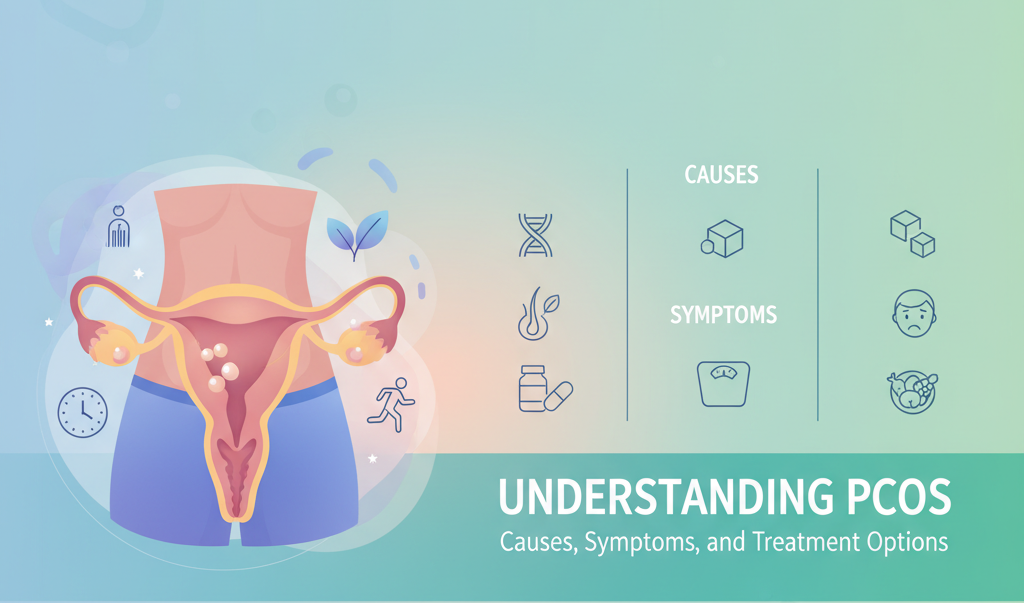
Polycystic Ovary Syndrome (PCOS) is one of the most common hormonal disorders affecting women today — but also one of the most misunderstood.
If you’ve been struggling with irregular periods, acne, unwanted hair growth, or trouble losing weight, PCOS might be the reason.
This guide will help you understand what PCOS is, its main causes, symptoms, and effective treatment options so you can take charge of your health and feel balanced again.
What Is PCOS?
PCOS (Polycystic Ovary Syndrome) is a hormonal imbalance that affects how a woman’s ovaries work.
Women with PCOS often produce higher levels of androgens (male hormones), which can interfere with ovulation and cause multiple small cysts on the ovaries.
While not every woman with PCOS has cysts, the hormonal imbalance can lead to a range of physical and emotional symptoms that impact daily life.
What Causes PCOS?
The exact cause of PCOS isn’t fully known, but several factors contribute to it. Understanding these can help you manage the condition better.
1. Hormonal Imbalance
- High levels of androgens can prevent ovulation, causing irregular periods and acne.
- Elevated insulin levels can also worsen symptoms by increasing androgen production.
2. Insulin Resistance
- Many women with PCOS have insulin resistance, meaning their bodies don’t respond well to insulin.
- This can lead to higher blood sugar levels, weight gain, and an increased risk of Type 2 diabetes.
3. Genetics
- PCOS often runs in families. If your mother, sister, or aunt has PCOS, you may be more likely to develop it too.
4. Inflammation
- Low-grade inflammation is linked to PCOS and may contribute to higher androgen levels and weight gain.
Common Symptoms of PCOS
PCOS symptoms can vary from person to person, which is why it often goes undiagnosed for years.
Here are the most common signs to look out for:
🔸 Menstrual Irregularities
- Missed periods or fewer than eight cycles a year
- Heavy bleeding during periods
- Difficulty tracking ovulation
🔸 Excess Hair Growth (Hirsutism)
- Unwanted facial or body hair, especially on the chin, chest, or stomach
🔸 Acne and Oily Skin
- Hormonal acne, particularly around the jawline and chin
🔸 Weight Gain or Difficulty Losing Weight
- Especially around the abdomen
🔸 Hair Thinning or Scalp Hair Loss
- Male-pattern hair loss due to increased androgens
🔸 Fertility Issues
- Irregular ovulation can make it difficult to conceive naturally
🔸 Mood Changes
- Anxiety, depression, or irritability are also common due to hormonal fluctuations
How Is PCOS Diagnosed?
If you suspect PCOS, consult a gynecologist or endocrinologist.
Diagnosis typically involves:
- Medical History Review: Discuss symptoms, menstrual patterns, and family history.
- Physical Exam: To check for excess hair growth, acne, or weight changes.
- Blood Tests: Measure hormone levels, insulin, and cholesterol.
- Ultrasound: To detect small cysts or enlarged ovaries.
Early diagnosis helps prevent complications like infertility, diabetes, and heart disease.
Treatment Options for PCOS
There’s no single cure for PCOS, but it can be effectively managed with lifestyle changes, medications, and regular medical care.
The right treatment depends on your symptoms, goals, and whether you’re planning pregnancy.
1. Lifestyle and Diet Changes
A healthy lifestyle is the foundation of PCOS management.
✅ Nutrition Tips:
- Focus on a balanced diet rich in fiber, lean protein, and healthy fats.
- Limit refined carbs and sugary foods to manage insulin resistance.
- Include anti-inflammatory foods like berries, turmeric, leafy greens, and nuts.
- Stay hydrated and avoid processed snacks.
Exercise Regularly:
- Engage in moderate exercise like brisk walking, yoga, cycling, or strength training.
- Aim for at least 30 minutes of physical activity 5 times a week.
Even a 5–10% weight loss can improve hormonal balance and regulate periods.
2. Medications
Your doctor may prescribe certain medications based on your symptoms:
- Birth Control Pills: To regulate menstrual cycles and reduce acne or excess hair.
- Metformin: Helps improve insulin sensitivity and may support weight loss.
- Fertility Medications: Such as clomiphene or letrozole if you’re trying to conceive.
- Anti-Androgen Drugs: Reduce unwanted hair growth and acne.
Always consult your doctor before starting any medication or supplements.
3. Natural and Home Remedies
While medical treatment is essential, some natural remedies can complement it:
- Spearmint tea: May help reduce excess androgen levels.
- Cinnamon: Can improve insulin sensitivity.
- Inositol supplements: Known to support hormonal balance and ovulation.
- Aloe vera juice or flaxseeds: Help detoxify and improve metabolism.
(Note: Natural remedies should not replace medical advice — they’re supportive options.)
4. Stress Management
Chronic stress worsens hormonal imbalance and inflammation.
Adopt calming habits such as:
- Yoga or meditation
- Deep breathing exercises
- Journaling
- Spending time outdoors or with loved ones
A calm mind supports a balanced body.
Can PCOS Be Cured?
While PCOS isn’t “curable,” it is highly manageable.
With the right combination of diet, exercise, medication, and stress management, many women lead completely normal, healthy lives and even conceive naturally.
Consistency and self-care are key to keeping symptoms in check.
Living Well With PCOS
Dealing with PCOS can feel overwhelming, but you’re not alone.
Millions of women manage PCOS successfully every day — by making mindful lifestyle choices and seeking the right support.
Start small:
- Prioritize balanced meals.
- Stay active daily.
- Keep stress under control.
- Follow up regularly with your healthcare provider.
✨ Remember, PCOS does not define you — it’s just one part of your health journey.