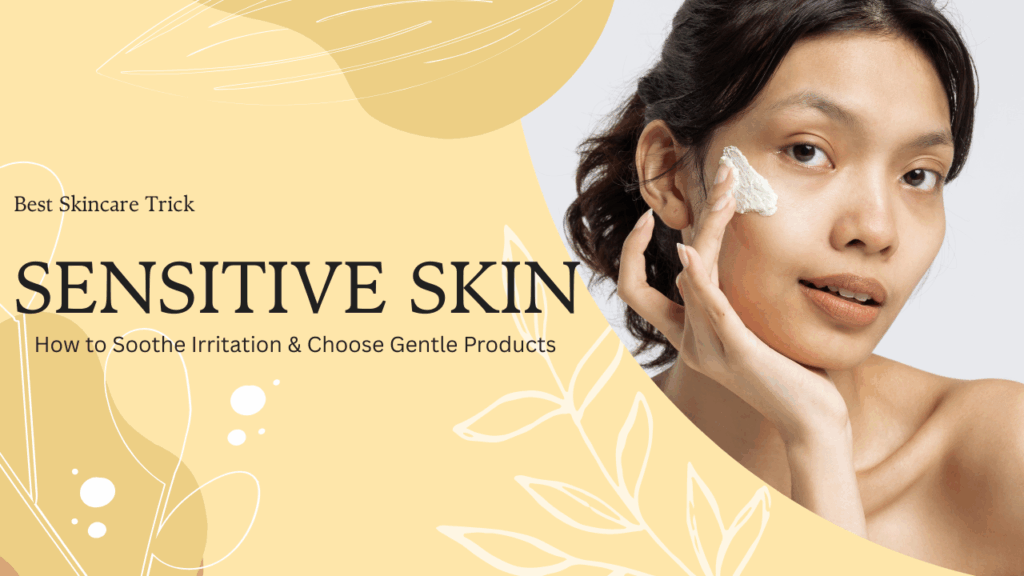
Sensitive skin reacts easily to external factors, causing redness, itching, burning, or dryness. It’s a common concern that can affect comfort and confidence, making even simple skincare choices stressful.
The good news? With the right approach, you can soothe irritation and protect your skin. In this guide, we’ll explore what sensitive skin is, what triggers it, how to calm flare-ups, and how to choose gentle, effective products.
What is Sensitive Skin?
Sensitive skin isn’t a single “diagnosis” but rather a term used to describe skin that reacts easily to external factors. People with sensitive skin often notice symptoms such as:
- Redness or flushing
- Stinging or burning sensations
- Dryness or rough texture
- Itching or discomfort after product use
- Irritation triggered by weather, stress, or skincare ingredients
These signs can range from mild to severe, and they don’t always appear at the same time.
Sensitive Skin vs. Sensitized Skin
It’s important to understand the difference:
- Sensitive skin is usually a natural skin type, often linked to genetics. People with this skin type are more prone to reactivity throughout their lives.
- Sensitized skin, on the other hand, is temporary and usually caused by external triggers—like over-exfoliation, pollution, harsh products, or even stress. The good news is, sensitized skin can often be reversed by removing the irritant and restoring the skin barrier.
Common Myths About Sensitive Skin
- “Sensitive skin is always allergic skin.” → Not true. While allergies can trigger reactions, sensitive skin is not the same as having an allergy.
- “Only people with dry skin have sensitivity.” → Sensitive skin can occur in oily, dry, or combination types.
- “Expensive products are always safer.” → Price doesn’t guarantee skin-friendliness; ingredient choice matters more.
Common Causes of Sensitive Skin
Understanding what triggers sensitivity is the first step to managing it. While some people are born with naturally delicate skin, others may develop sensitivity due to lifestyle or environmental factors. Here are the most common causes:
🌍 Environmental Factors
Pollution, extreme weather changes, and prolonged sun exposure can weaken the skin barrier, making it more prone to irritation. Cold winds may strip away natural oils, while heat and UV rays can trigger redness, dryness, and even long-term damage.
🧘 Lifestyle Triggers
Stress, lack of sleep, and poor diet often show up first on your skin. When your body is under stress, inflammatory responses increase, which can worsen skin sensitivity. Similarly, a lack of sleep affects skin repair, while diets high in processed foods may trigger breakouts and irritation.
🧴 Product-Related Triggers
Harsh cleansers, alcohol-based toners, and products with artificial fragrances or dyes are some of the biggest culprits behind skin irritation. Over-exfoliation, even with “gentle” scrubs or acids, can damage the skin barrier and leave skin raw and reactive.
🩺 Medical Conditions
Sensitive skin can also be linked to dermatological conditions such as eczema, rosacea, or dermatitis. These conditions require special care and often need professional treatment to manage flare-ups effectively.
How to Soothe Sensitive & Irritated Skin
Caring for sensitive skin isn’t about using dozens of products—it’s about choosing the right ones and keeping a consistent routine. Here are proven ways to calm and protect delicate skin:
🧼 Gentle Cleansing
Always opt for a mild, fragrance-free, pH-balanced cleanser. Avoid foaming cleansers with sulfates, which can strip natural oils. Instead, go for cream or gel-based formulas designed for sensitive skin.
💧 Hydration is Key
Moisturizers play a crucial role in strengthening the skin barrier. Look for products enriched with ceramides, hyaluronic acid, and glycerin—ingredients that help lock in moisture and reduce dryness or tightness.
🌞 Sun Protection
Sensitive skin is often more vulnerable to UV damage. A broad-spectrum sunscreen is non-negotiable. Mineral-based sunscreens (containing zinc oxide or titanium dioxide) are usually gentler and less likely to cause reactions than chemical ones.
🧘 Lifestyle Tips
- Avoid hot showers, as they strip skin of essential oils.
- Practice stress management techniques such as yoga or meditation.
- Stay hydrated throughout the day to keep your skin supple.
- Sleep at least 7–8 hours to allow your skin time to repair.
❄️ Emergency Care for Flare-Ups
If irritation strikes suddenly, a cold compress can provide instant relief. Natural soothers like aloe vera gel or oatmeal masks can calm inflammation and redness. However, always patch-test before applying to avoid worsening sensitivity.
Choosing the Right Skincare Products for Sensitive Skin
Selecting the right products is key to calming and protecting sensitive skin.
✅ What to Look For
- Fragrance-free, hypoallergenic, dermatologically tested
- Soothing ingredients like niacinamide, ceramides, panthenol, aloe vera
- Minimal ingredient lists to reduce irritation risk
❌ What to Avoid
- Alcohol, sulfates, artificial fragrances, harsh acids
- Over-exfoliating or aggressive treatments
🧪 Patch Testing
Test new products on a small area for 24–48 hours to check for reactions before applying to your face.
🧴 Product Categories
- Cleansers: Mild, sulfate-free
- Moisturizers: Hydrating, barrier-repairing
- Sunscreens: Mineral-based (zinc oxide or titanium dioxide)
- Serums: Gentle, calming, hydrating
With careful product choices, sensitive skin can stay calm, hydrated, and protected.
Conclusion
Sensitive skin can be challenging, but with the right care, it’s completely manageable. Understanding triggers, soothing irritation, and choosing gentle, effective products are the keys to keeping your skin calm and healthy. Remember, less is often more—gentle cleansing, proper hydration, sun protection, and mindful product selection can make a huge difference. With consistent care and attention, sensitive skin can feel comfortable, resilient, and radiant every day.