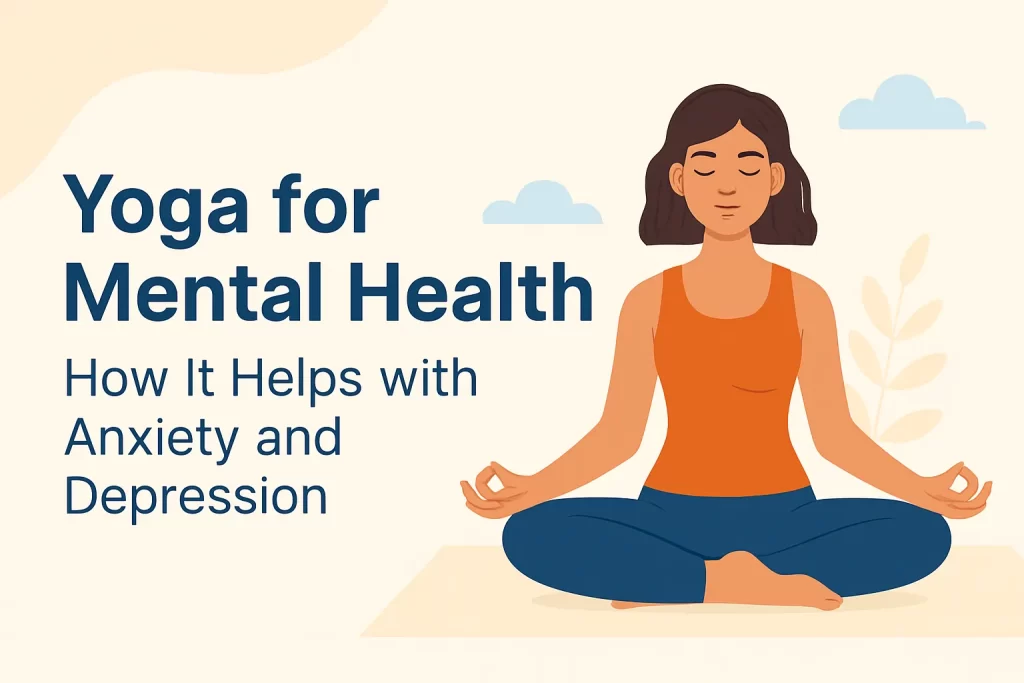
Yoga is more than just physical exercise. It is a practice that combines movement, breathing, and mindfulness to bring balance to both body and mind. Over the years, it has gained huge popularity worldwide, not only for fitness but also for improving emotional well-being.
Many people today struggle with stress, anxiety, and depression due to fast-paced lifestyles. Medications may help, but they often come with side effects. This is why natural approaches are becoming more important. Yoga for Mental Health offers a safe, holistic, and effective way to manage emotions, reduce stress, and improve overall happiness.
Practicing yoga regularly can calm the mind, release tension, and bring mental clarity. Whether you are a beginner or advanced, yoga provides tools to cope with modern-day challenges naturally. This is why more people are turning to Yoga for Mental Health to find peace and balance.
Understanding Anxiety and Depression
What is Anxiety?
Anxiety is a state of constant worry or fear. While it is normal to feel anxious before an exam or job interview, chronic anxiety affects daily life.
Common symptoms of anxiety include:
- Restlessness and nervousness
- Racing heartbeat
- Trouble concentrating
- Muscle tension
- Difficulty sleeping
What is Depression?
Depression goes beyond sadness. It is a mental health condition that affects mood, thoughts, and energy levels.
Common symptoms of depression include:
- Persistent feelings of sadness
- Loss of interest in activities
- Changes in sleep (too much or too little)
- Low energy and fatigue
- Hopelessness or negative thoughts
How Mental Health Impacts Overall Well-Being
When anxiety and depression are left untreated, they can harm both mind and body. Mental health issues affect relationships, work performance, immunity, and even physical health. Chronic stress raises the risk of heart disease, weakens immunity, and disrupts sleep.
This is where Yoga for Mental Health plays a key role. It not only helps reduce these symptoms but also supports long-term wellness by restoring inner balance.
The Connection Between Yoga and Mental Health
Yoga works deeply on both the body and the mind. Regular practice creates changes in the brain and nervous system that improve emotional balance.
- Effect on Brain and Nervous System: Yoga reduces overactivity in the nervous system. This helps lower stress, calm the brain, and improve focus. Studies show yoga increases serotonin and dopamine, the “feel-good” chemicals that fight anxiety and depression.
- Role of Breathwork (Pranayama): Controlled breathing is a key part of Yoga for Mental Health. Slow, deep breathing signals the brain to relax, lowering heart rate and reducing tension. Simple practices like alternate nostril breathing bring instant calmness.
- Mind-Body Connection: Unlike workouts that focus only on muscles, yoga connects breath, body, and awareness. This holistic approach makes yoga powerful for healing both emotional and physical stress.
Benefits of Yoga for Anxiety and Depression
Practicing Yoga for Mental Health brings several benefits backed by science:
- Reduces Stress Hormones (Cortisol): Yoga lowers cortisol levels, the main stress hormone. This helps the body relax and prevents burnout.
- Improves Sleep Quality: Calming yoga poses before bed reduce racing thoughts and help achieve deep, restful sleep.
- Boosts Mood and Promotes Relaxation: Yoga boosts natural mood enhancers like endorphins and serotonin, reducing sadness and tension.
- Enhances Self-Awareness and Mindfulness: Yoga teaches present-moment awareness, helping people respond to stress calmly instead of reacting in panic.
- Supported by Science: Research shows yoga therapy reduces symptoms of anxiety and depression when practiced regularly, making it a trusted natural solution.
Best Yoga Poses for Mental Health
These poses are simple yet powerful in managing stress and emotional imbalance:
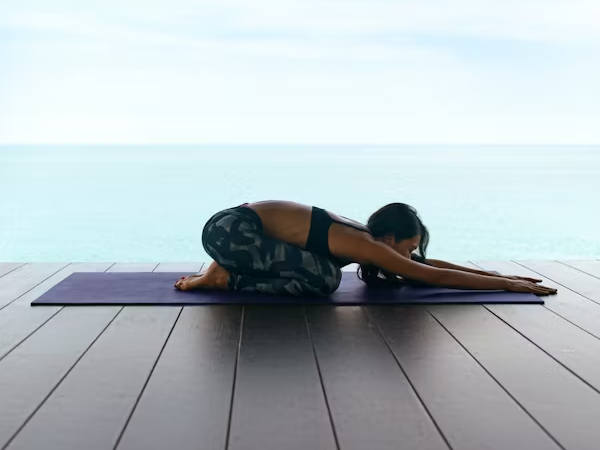
Child’s Pose (Balasana) – Calming Effect
This gentle resting pose relaxes the nervous system, eases fatigue, and reduces anxiety.
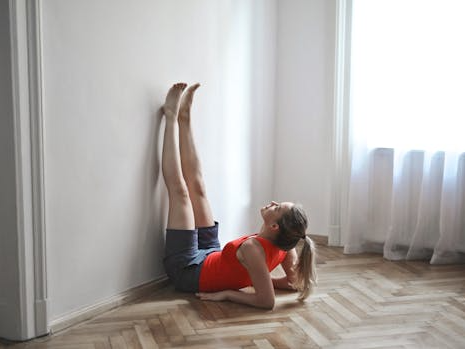
Legs Up the Wall (Viparita Karani) – Reduces Stress and Fatigue
By improving blood circulation and calming the mind, this pose is ideal for stress relief.
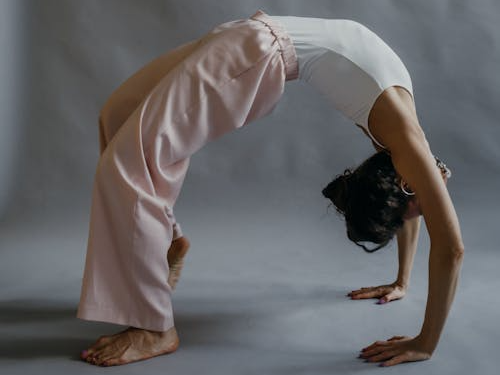
Bridge Pose (Setu Bandhasana) – Boosts Energy and Reduces Anxiety
This heart-opening pose relieves tension, boosts energy, and helps balance mood.
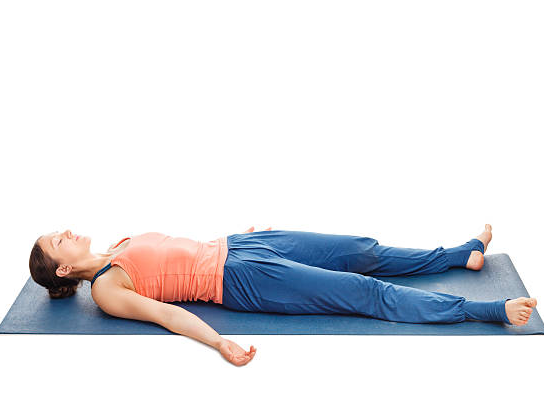
Corpse Pose (Savasana) – Ultimate Relaxation Pose
Known as the final resting pose, Savasana deeply relaxes the body and mind, releasing stress completely.
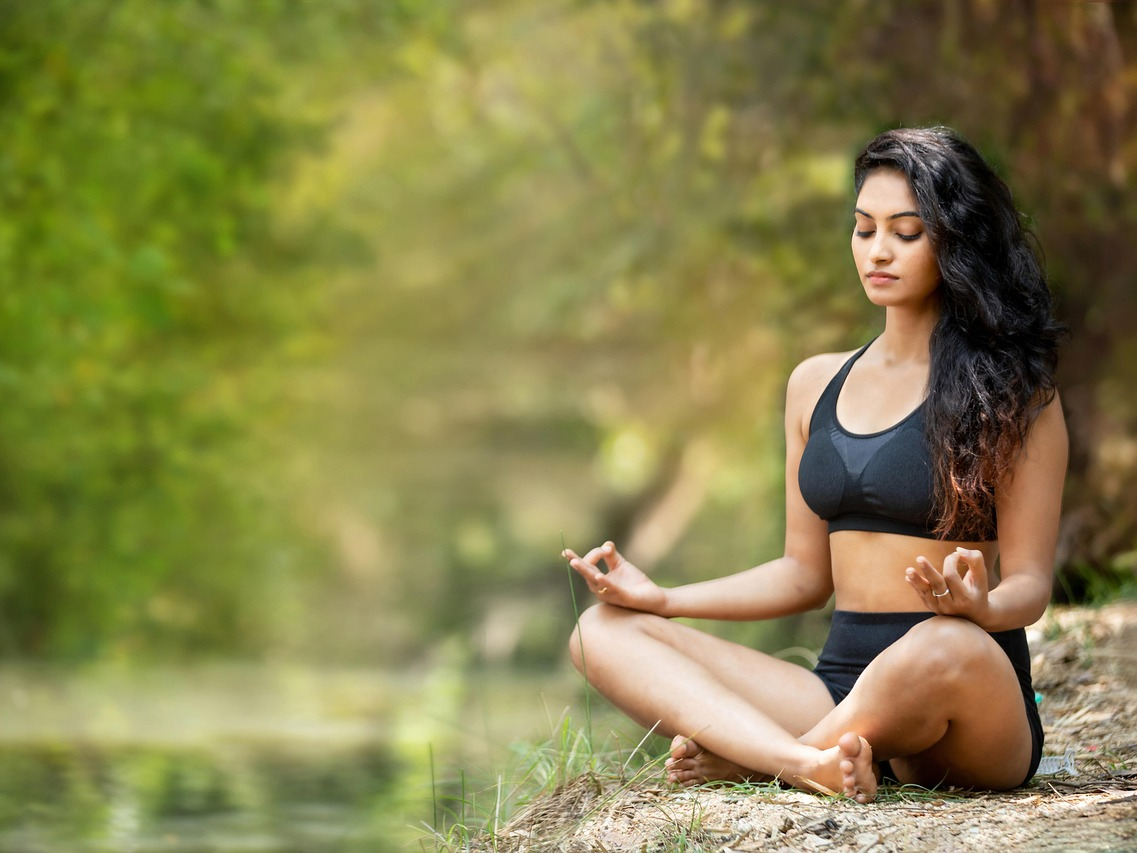
Easy Pose with Deep Breathing (Sukhasana + Pranayama) – Helps with Mindfulness
Sitting comfortably while practicing slow breathing improves focus, clears thoughts, and creates inner peace.
Meditation and Breathwork for Mental Health
Meditation and breathwork are an essential part of Yoga for Mental Health. They calm the mind, balance emotions, and create inner peace.
- Meditation: Practicing daily meditation reduces negative thinking and improves concentration. Even 10 minutes of mindfulness meditation can lower stress levels and promote clarity.
- Breathwork (Pranayama): Breathing exercises like alternate nostril breathing (Nadi Shodhana) and deep belly breathing help regulate emotions and control anxiety.
- Combined Practice: When meditation and pranayama are paired with yoga poses, the results are powerful. They slow down racing thoughts, reduce tension, and improve overall mental stability.
How to Start Practicing Yoga for Mental Health
Starting yoga does not require fancy equipment or long hours. Anyone can begin with simple steps:
- Start Slow: Begin with easy poses like Child’s Pose or Legs Up the Wall.
- Consistency Matters: Practice 15–20 minutes daily instead of long, irregular sessions.
- Create a Calm Space: Choose a quiet corner at home for yoga and meditation.
- Use Guidance: Beginners can follow online videos or mobile apps for proper technique.
- Listen to Your Body: Never push too hard; yoga is about balance, not force.
Lifestyle Tips Along with Yoga Practice
Yoga works best when combined with healthy lifestyle choices. Along with Yoga for Mental Health, follow these tips:
- Eat a balanced diet with fresh fruits, vegetables, and whole foods.
- Stay hydrated throughout the day.
- Maintain a regular sleep routine.
- Spend time in nature and practice gratitude journaling.
- Limit screen time and take short breaks to relax your mind.
Precautions and When to Seek Professional Help
While Yoga for Mental Health is highly effective, it is not a substitute for medical care. For severe anxiety or depression, professional help is necessary.
- Consult a doctor or therapist if symptoms worsen.
- Practice yoga as a complementary therapy along with prescribed treatment.
- Avoid difficult poses if you have physical limitations; choose gentle practices instead.
Final Thoughts on Yoga for Mental Health
Yoga for Mental Health is a safe, natural, and powerful tool to fight anxiety and depression. By combining poses, meditation, and breathwork, yoga creates harmony between body and mind.
Even a few minutes of daily practice can improve mood, reduce stress, and bring peace. With regular effort, yoga becomes more than exercise – it becomes a way of life that nurtures both mental and emotional well-being.
👉 Start small today, and let Yoga for Mental Health guide you toward inner calm and happiness.